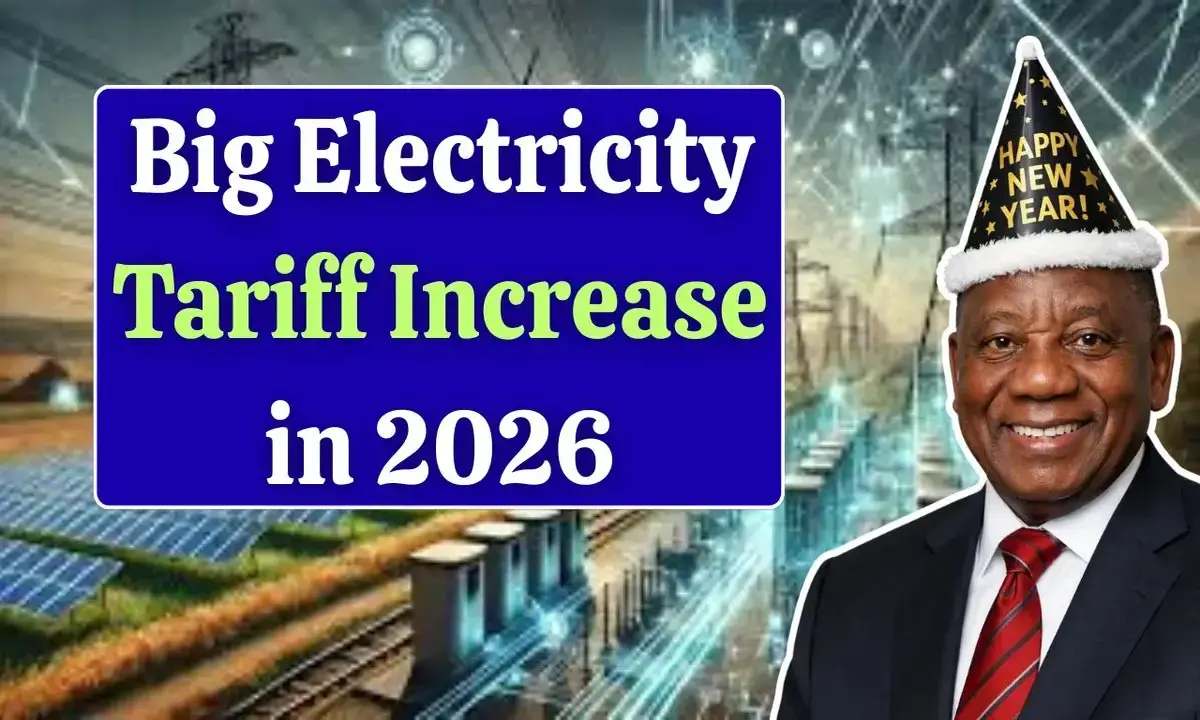
Buying a new home in South Africa for the coming year will mean higher electricity rates as prices are in view to rise from 2026. In light of this, serious negotiations are under way between the National Energy Regulator of South Africa (NERSA) and Eskom, the state-owned power authority, on the electric tariff adjustments simply by municipal distributors’ context.
Expected Tariffs for 2026-
While the eventual outcome remains subject to regulatory approval and public engagement, electricity prices for the financial year 2026 are anticipated by many to rise above inflation by following NERSA’s past decisions and request from Eskom for cost-reflective tariffs. Early in 2025, NERSA approved huge, yet eagerly awaited hikes for the 2025/26 financial year and indicated smaller, rather more sustainable increases were also in the pipeline for subsequent financial years, including those for 2026/27. An initial 5.36% tariff increase was approved for 2026/27, but there are contingencies linked to erroneous earlier tariff calculations that might see this final number rising to 8.76%.
Homeowners have an obligation to brace themselves for these increases because they will become effective by 1 April 2026, which is when Eskom does its annual standard tariff adjustments. Following Eskom, municipal distributors will effect similar increases around July, subject to local approval processes.
Impact on Incurring the Administrative and Operational Costs of Households.
Higher tariffs will impact homeowners with a significant growth in their electricity bills every month, especially when their monthly consumption remains uncasual or on the rise. “The increases might appear small now, but in future we are looking at some meaningful increases,” admissions Bernard O’Connor of BDO Wealth Advisers. Predictions look to monthly residential electricity costs to propel itself up significantly by 2027 if the planned increase manifests in the way Eskom has applied for.
Imposing the increases is seen as part of a long-term strategy to make Eskom’s pricing more cost-reflective and sustainable, although it has been criticised in the wake of Eskom’s interpretation of what many regard as unaffordable and unreliable. Civil society groups are making a case emphasizing the poor may suffer adversely at the hands of the increase and want lawmakers and regulatory mavens to start looking into alternative solutions pertaining to energy that could alleviate the burden.
Government and Regulator Response(products).
Energy Minister Kgosientsho Ramokgopa has stated that government policy is being reviewed to establish a sustainable price path that reflects inflation and socio-economic conditions that would stabilize increases relative to inflation in the long term.
Homeowners should, therefore, stay informed on final tariff decisions and get to understand how energy usage translates to monthly costs going into 2026.